
Damp, Condensation & Moisture Problems Properly Diagnosed
Don’t guess. Identify the cause before treating the symptoms.

.png)
Is This Damp or Condensation?
If your walls feel damp, mould is appearing, or there is a persistent musty smell, it’s important to identify the cause correctly.
Many properties across London suffer from moisture related issues, but not all are true damp problems. Misdiagnosis can lead to unnecessary work, wasted cost, and the issue returning.
Understanding the difference between damp and condensation is the first step toward resolving the problem properly.
If you’re unsure whether you’re dealing with condensation or a more serious damp issue, it’s important to identify the cause correctly before taking any action.
What Is Condensation?
Condensation occurs when warm, moisture laden air comes into contact with colder surfaces such as walls, ceilings, and windows.
This is extremely common in bathrooms, kitchens, and bedrooms where humidity levels are higher.
Signs of Condensation
-
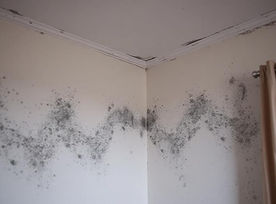
Water droplets forming on windows
-
Black mould appearing in corners or behind furniture
-
Issues worsening during colder months
-
No clear external defects or water ingress

What Is Damp?
Damp is caused by moisture entering the structure of a building.
This can occur through rising damp from the ground, penetrating damp from external defects, or water ingress through walls and roofs.
Unlike condensation, damp is typically linked to a building defect or failure within the structure.
Signs of Damp
-
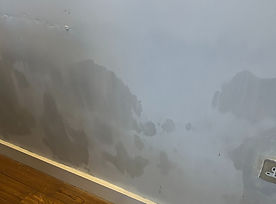
Tide marks visible on internal walls
-
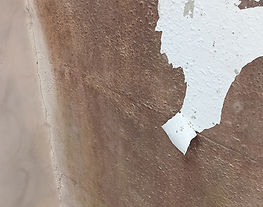
Peeling paint or damaged plaster
-
White salt deposits (efflorescence)
-
Damp patches that remain consistent regardless of weather


Why the Difference Matters
Condensation and damp require completely different solutions.
Treating condensation as damp can result in unnecessary structural work, while treating damp as condensation means the underlying problem will continue to worsen.
Accurate diagnosis ensures the correct solution is applied from the beginning, preventing wasted cost and repeat issues.
In some cases, what appears to be rising damp may have a different underlying cause, which is explored further in our guide to rising damp.
In many cases, what appears to be damp may require a different approach altogether, which is why a proper assessment should always be carried out before any remedial work is considered.
Frequently Asked Questions
Can condensation cause mould? Yes, condensation is one of the main causes of mould growth within properties, particularly in areas with poor ventilation.
Is condensation a structural issue? No, condensation is typically related to humidity levels and airflow within the property, rather than a structural defect.
How do I know if I have rising damp? Rising damp usually presents with tide marks, salt deposits, and deterioration of plaster at lower wall levels.